
AI-powered contents appraisal
Photograph it. Know what it's worth.
PicPricer turns a phone photo into a full catalog entry: name, condition, materials, and an estimated value, reviewed by you before anything is saved. Built for clearing estates, storage units, and warehouses full of unknowns.
No account needed to look around. Early access is by request while self-signup is being built.
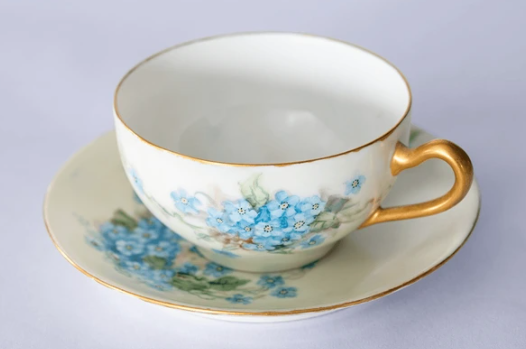
Porcelain Teacup
Decor / Collectibles · Mid-century hand-painted set
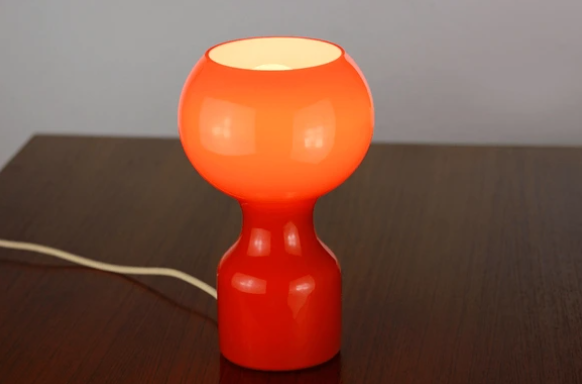
Mid-Century Table Lamp
Furniture / Lighting
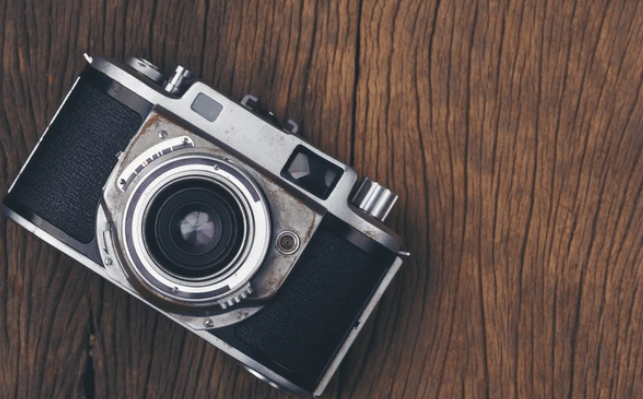
Vintage 35mm Camera
Electronics / Collectibles
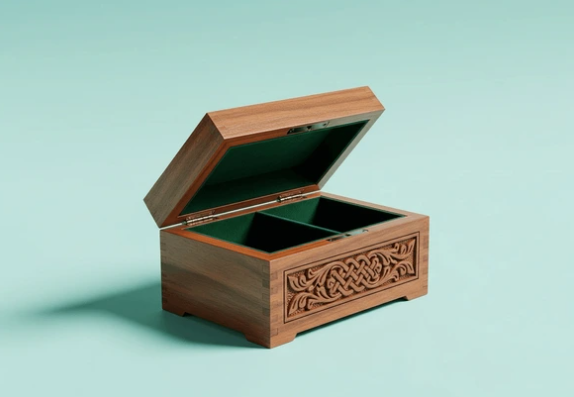
Carved Wooden Jewelry Box
Decor / Storage
Any phone
Capture from the device already in your pocket. No special hardware required.
Value estimate
Every item gets an estimate, a realistic range, and a confidence rating, in your catalog's currency.
Human-reviewed
Nothing joins the catalog unreviewed: you confirm or correct every entry.
CSV export
The finished catalog leaves the tool as easily as it entered it.
What it does
Everything between "a pile of stuff" and a finished catalog
Six capabilities, none of them optional to a real appraisal job.
AI photo analysis
From your photos alone, Claude's vision model identifies what an item is, its likely materials, and its condition.
Value estimate, your currency
Every item gets an estimated value, a realistic range, and a confidence rating, in CHF, USD, EUR, GBP, CAD, or AUD, whichever your catalog uses.
Capture from any device
Shoot photos straight from your phone, or scan a QR code to use your phone as the camera while you work from a desktop.
Review before it's final
Edit any field, ask Claude to reconsider with more context, or discard the item entirely: nothing saves unreviewed.
Searchable, organized catalog
Every confirmed item gets a sequential SKU. Search, filter, and sort the whole catalog, or check a stats view for total value, category breakdown, and progress over time.
Export anywhere
Export your whole catalog to CSV, or generate a print-ready inventory report with photos, for insurance documentation, spreadsheets, or handing off to a buyer.
Why it exists
Cataloging a warehouse by hand takes days. This takes photos.
Appraising the contents of an estate, storage unit, or warehouse the traditional way means hours of manual research per item, or paying someone else to do it. PicPricer puts a first-pass appraisal in your hands the moment you take the photo.
Hours become minutes
What used to take real research time per item now takes about as long as photographing it.
You stay in control
Claude's assessment is a draft, not a verdict: you review, edit, or re-ask before anything is saved.
Nothing gets separated
Photos and data stay attached to the item that produced them; there's no separate spreadsheet to keep in sync.
Your data, portable
Export the finished catalog whenever you need it outside the tool. It isn't locked in.
How it works
Three steps, in the order you'd actually do them
Photograph
Take photos from your phone, or scan a QR code to hand the camera job to your phone while you work from a desktop.
Claude analyzes
Claude's vision model drafts a name, category, condition, materials, description, and an estimated value with a confidence rating.
Review & confirm
Edit anything, ask a follow-up question if Claude wasn't sure, then confirm. The item gets a SKU and joins your catalog.
Who it's for
Anyone facing a room, unit, or warehouse of unknowns
Estate liquidators
Turn a house full of belongings into a priced inventory before the sale.
Storage & auction resellers
Catalog unit contents fast enough for it to actually be worth doing.
Moving & downsizing services
Give clients a documented, valued record of what's being cleared.
Insurance & appraisal prep
Build supporting documentation with photos and value estimates already attached.
Pricing
Early access, before pricing goes live
PicPricer is moving from a personal tool to something others can use. Self-signup and pricing (a subscription or pay-as-you-go AI credits) are still being built.
On the roadmap: self-signup and flexible pricing. Catalog entries are already written in English, German, or Spanish; more languages are planned.